Why bamboo pulp is the quietly important 2G feedstock for Northeast India.
Northeast India holds about 67% of the country’s bamboo growing stock and ships most of its pulp residue out as low-value mill byproduct. We make a case for treating it as a primary lignocellulosic feedstock — and walk through the cocktail calibration that takes a properly pretreated bamboo substrate past 85% glucan conversion inside a 96-hour window.

Almost every conversation about second-generation ethanol in India starts with rice straw. It is the obvious candidate — abundant, visible, and burned in the open every winter in a way that makes the problem politically impossible to ignore. But the feedstock that gets talked about is not always the feedstock that runs a plant well. In the Northeast, there is a lignocellulosic resource sitting in plain sight that behaves considerably better in a reactor than straw does, and it is largely being treated as a byproduct: bamboo, and specifically the residue streams that bamboo processing throws off.
The resource nobody counts as a feedstock
India carries roughly 15 million hectares of bamboo-bearing area — second only to China — and the Forest Survey of India consistently puts about two-thirds of the national growing stock in the eight Northeastern states. That is a concentration ratio you almost never see with agricultural residue, which is by nature thinly spread across millions of smallholdings.
What changed the economics was regulatory, not agronomic. The 2017 amendment to the Indian Forest Act removed bamboo grown on non-forest land from the legal definition of a "tree", which took transit permits off the table for privately grown culms. Combined with the restructured National Bamboo Mission, that turned bamboo from a regulated forest product into something closer to a farm commodity. Supply that can be contracted is supply that a refinery can plan around.
The Northeast already has a proof point at industrial scale. Numaligarh Bio-Refinery in Golaghat district, Assam, was built explicitly around bamboo as its input — a plant designed for roughly 49,000 tonnes of ethanol a year, consuming a few hundred thousand tonnes of bamboo annually. Whatever one thinks of the project's economics, it settles the feasibility argument: bamboo-to-ethanol at scale is an engineering problem, not a speculative one.
What makes bamboo different in the reactor
Bamboo is not simply "another grass residue". Its composition and its physical handling properties differ from straw in ways that matter at every stage of the process.
Composition
- Cellulose, 40–50%. Comparable to or richer than most crop residues, which sets a higher theoretical ethanol ceiling per dry tonne.
- Hemicellulose, 18–25%, overwhelmingly xylan and notably acetylated. The acetyl content is a double-edged property: it liberates acetic acid during pretreatment, which is a fermentation inhibitor, but it also means xylanase and acetyl xylan esterase activity pay for themselves quickly in the hydrolysis step.
- Lignin, 20–27%. This is the central engineering challenge. Rice and wheat straw typically sit in the 12–20% range. Bamboo's higher lignin content is exactly why it makes good paper pulp and exactly why it resists enzymatic hydrolysis.
- Ash, typically 1–3%. Here bamboo wins decisively. Rice straw can run 10–17% ash with very high silica, which abrades equipment, neutralises acid catalyst, and dilutes everything downstream. Low-silica feedstock is worth real money in maintenance terms alone.
Logistics and availability
A 2G plant lives or dies on feedstock logistics, and this is where bamboo quietly outperforms. Baled straw is bulky, hygroscopic, and available in a harvest window of a few weeks, which forces a plant to build and finance a year's storage — with the fire risk and dry-matter losses that come with it. Bamboo can be harvested through most of the year, chips at a far higher bulk density than baled straw, and stores as a stable solid. The practical consequence is a smaller collection radius, higher plant utilisation, and far less working capital locked up in a yard.
The residue stream is the real opportunity
The case here is not to grow bamboo for fuel — that competes with far higher-value uses. It is that bamboo utilisation already generates large volumes of material nobody has a good use for:
- Harvest residue. Culm tops and branch material are routinely left in the field; depending on species and cutting practice this can be a third of standing above-ground biomass.
- Pulp and processing fines. Depithing losses, screen rejects and chip dust from pulping are already size-reduced and partially opened up — meaning part of the pretreatment work has been paid for by someone else.
- Downstream industry waste. The region's agarbatti stick, furniture and handicraft sectors generate a steady stream of slivers and sawdust, currently landfilled or burned for low-grade heat.
A feedstock that arrives already chipped, already dry, and already priced as waste is a fundamentally different proposition from one you have to go and collect from ten thousand farmers in a three-week window.
Pretreatment: paying for the lignin up front
Because bamboo's recalcitrance is lignin-driven rather than silica-driven, pretreatment selection differs from the straw playbook. Dilute acid works well on xylan removal but leaves a lignin-rich residue that will bind enzyme non-productively. Alkaline routes — sodium hydroxide or lime — target lignin directly and tend to give better downstream hydrolysis on bamboo, at the cost of chemical recovery. Steam explosion needs higher severity than it does on straw. Organosolv approaches, including the formic-acid-based route the Numaligarh plant licensed, solve the lignin problem cleanly and produce a saleable lignin stream, but carry solvent recovery capital.
Whatever route is chosen, the severity trade-off is the same and it is unforgiving. Push severity up and you get better cellulose accessibility along with more furfural, hydroxymethylfurfural, acetic acid and soluble phenolics — all of which the yeast will object to. Push it down and you save the fermentation but hand an impossible substrate to the enzymes. The optimisation is not "maximum sugar release", it is maximum fermentable sugar that survives to the beer well, and those are different targets.
Cocktail calibration for a high-lignin substrate
This is where a bamboo cocktail meaningfully diverges from a generic straw cellulase dose. Five levers do most of the work.
1. Xylanase is not an accessory here
With xylan making up the bulk of the hemicellulose fraction and physically sheathing cellulose microfibrils, xylanase supplementation is not a marginal booster — it is what makes the cellulase dose economic. Pairing endo-xylanase with acetyl xylan esterase matters on an acetylated substrate like bamboo, since deacetylation is often the rate-limiting step before the backbone can be attacked at all.
2. LPMO for the crystalline fraction
Bamboo cellulose is highly crystalline — the same property that gives it its fibre strength. AA9 lytic polysaccharide monooxygenases cleave oxidatively into crystalline regions that the hydrolytic enzymes struggle with, creating new chain ends for cellobiohydrolases to work from. They need a reductant and a controlled oxygen supply, which is a real process design constraint rather than a dosing decision.
3. β-glucosidase ratio against end-product inhibition
Cellobiohydrolase activity collapses under cellobiose accumulation. On a high-solids bamboo hydrolysis, where sugar concentrations climb fast, an under-specified β-glucosidase ratio will quietly cap conversion well below what the rest of the cocktail could deliver. This is one of the most common reasons a cocktail that performed in a shake flask disappoints in a reactor.
4. Blocking non-productive adsorption
Lignin adsorbs cellulase irreversibly, and on a 20–27% lignin substrate a meaningful fraction of an expensive enzyme dose can be lost to it before it ever meets cellulose. Blocking agents — PEG 6000, non-ionic surfactants, or protein sacrificial binders — routinely deliver enzyme savings that dwarf their own cost. On bamboo this is not an optimisation, it is a design requirement.
5. Solids loading and the rheology wall
Ethanol titre in the beer determines distillation energy, which pushes toward high solids. But above roughly 15–20% w/w the slurry stops behaving like a liquid, mixing degrades, and mass transfer limits conversion regardless of enzyme quality. Fed-batch addition of substrate is the standard answer, and it needs to be designed in from the start rather than retrofitted.
Held at around 50 °C and pH 4.8–5.2, with those five levers set correctly on a well-pretreated substrate, glucan conversion above 85% within a 72–96 hour hydrolysis is a reasonable engineering target for bamboo — which is competitive with what the same cocktail architecture achieves on straw, without straw's silica and seasonality penalties.
What this means for the region
India has pushed blended petrol to the 20% mark, but the overwhelming majority of that volume comes from first-generation molasses and grain routes that compete with food and water. Second-generation capacity is the part of the programme that has consistently underdelivered, and support mechanisms like the PM JI-VAN Yojana exist precisely because 2G economics are marginal without them.
Marginal economics are exactly why feedstock selection deserves more scrutiny than it usually gets. A plant that runs 300 days a year on a dense, low-ash, contractible feedstock is a materially different financial object from one that runs 180 days on seasonal straw with a 100-kilometre collection radius. The Northeast is one of the few places in India where the resource concentration, the regulatory position and an existing processing base line up at the same time.
The bottleneck, as usual, is not the biology. It is that the enzyme package has to be calibrated to this substrate rather than adapted from a straw datasheet — the xylanase ratio, the LPMO strategy, the anti-adsorption package and the solids regime all shift when lignin goes up and silica goes down. That is the work we think is worth doing, and it is the work we are doing.
Note: Composition ranges, conversion targets and hydrolysis conditions in this article are indicative figures drawn from published literature on bamboo (Bambusa and Dendrocalamus spp.) and from general 2G process engineering practice. They are intended to frame the argument, not to report results from a specific trial. Resource and policy figures are cited from the Forest Survey of India, the National Bamboo Mission and publicly reported project data.
Where this applies
Bioenergy & Bioethanol
Zymocel® multi-enzyme cellulase blends and in-situ enzyme production for 1G and 2G bioethanol plants — up to 90% glucose conversion from rice straw, bamboo pulp and corn stover with minimal …
Microbes
A catalogued, cryopreserved library of enzyme-producing microbial isolates collected from Northeast India's reserve forests, plus novel and engineered yeast strains for bakery and …
Food & Beverage Enzymes
Pectinase for juice clarification, heat-stable α-amylase and glucoamylase for starch, β-glucanase and xylanase for brewing and fermentation, and baking enzymes — food-grade, FSSAI-compliant, …
Related reading
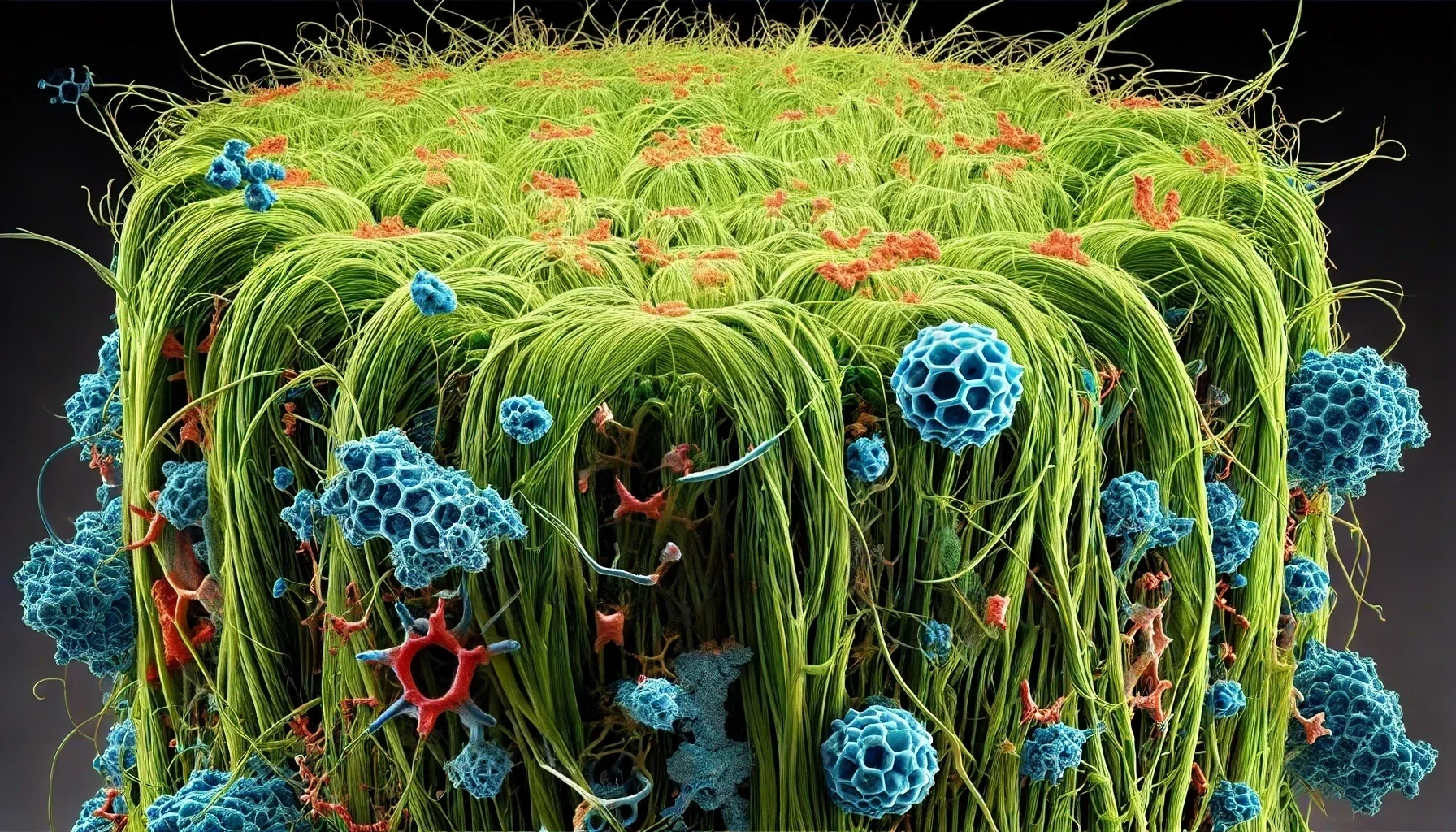
The complexity of cellulase enzymes.
Cellulase is not one enzyme but a synergistic system — endoglucanases, cellobiohydrolases and β-glucosidases working on a crystalline, lignin-shielded …
Read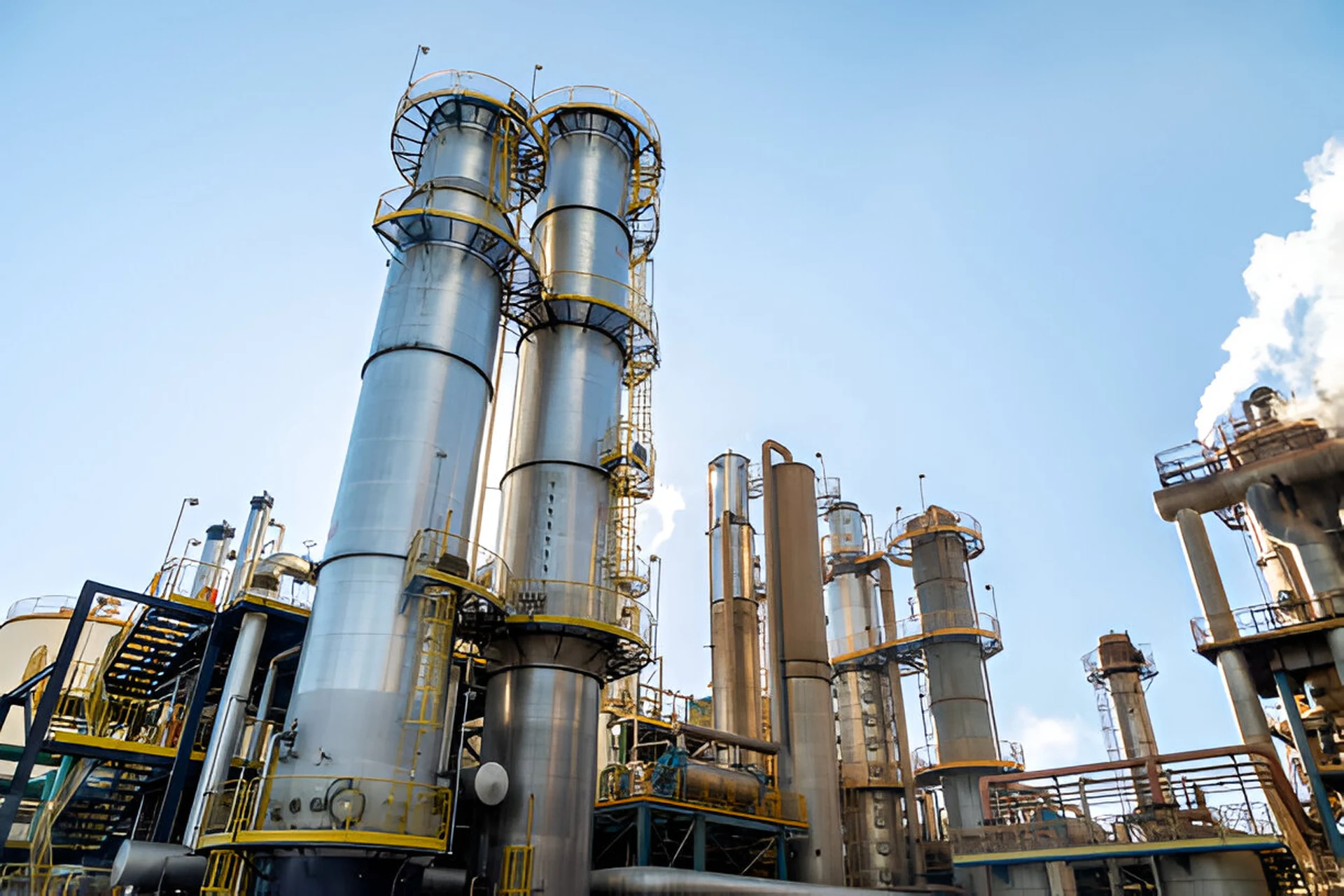
Maximizing ethanol production using enzymes.
This article explores how enzymes enhance ethanol production across generations, detailing key enzymes like amylases, cellulase, and pullulanase, their …
Read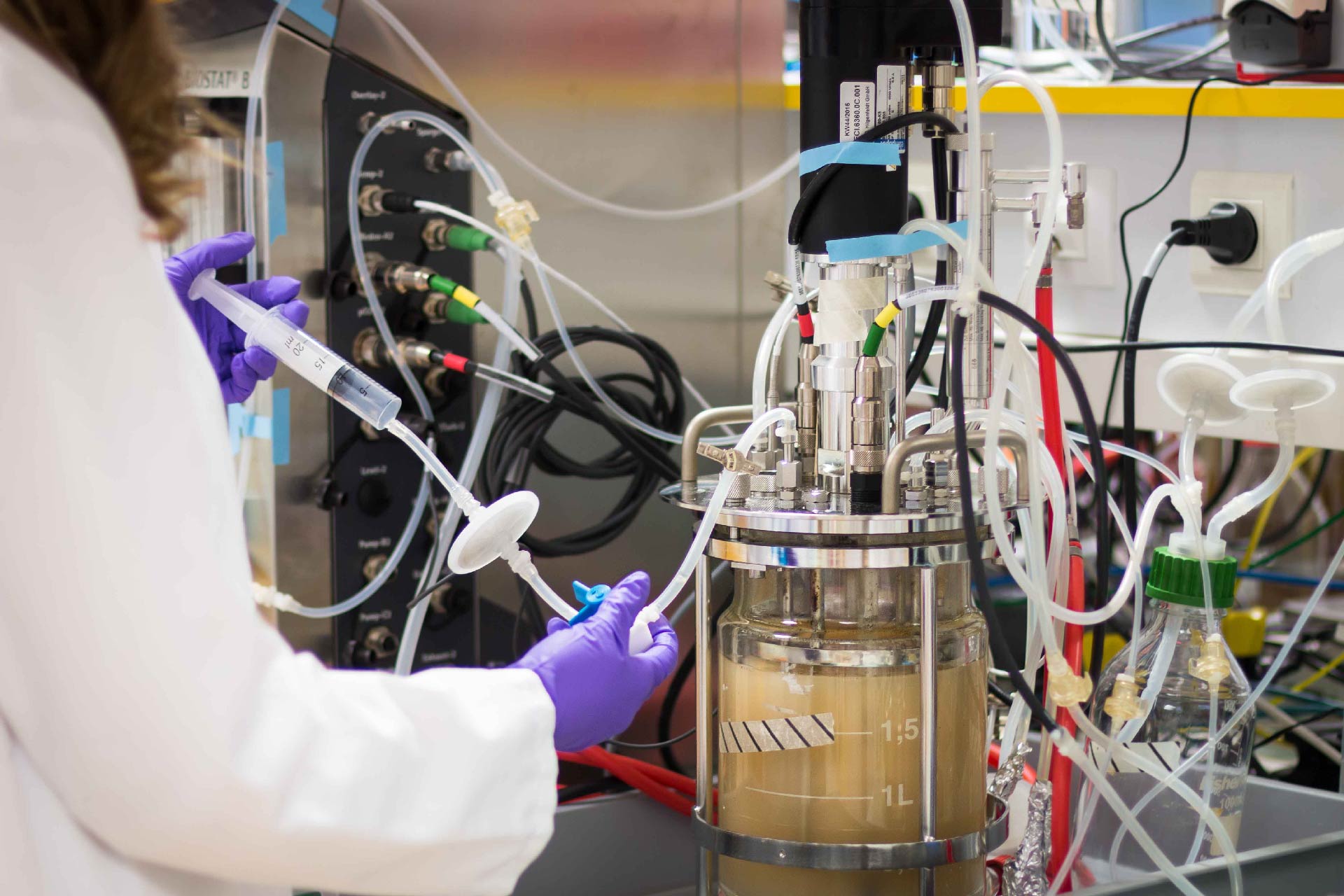
What we do at Zymolent — our vision toward biosolutions.
Zymolent Biosciences pioneers sustainable biosolutions in biofuels, agriculture, and biomass utilization, leveraging enzyme technology to utilize waste, …
ReadThe quarterly letter, no spam, no schedule games.
Three to five pieces of writing per quarter — process notes, field results, the occasional opinion. Direct to inbox; unsubscribe in one click.