2024-10-17
Valorizing Agriculture Wastes - Microbial Innovations
Zymolent Biosciences — 2024-10-19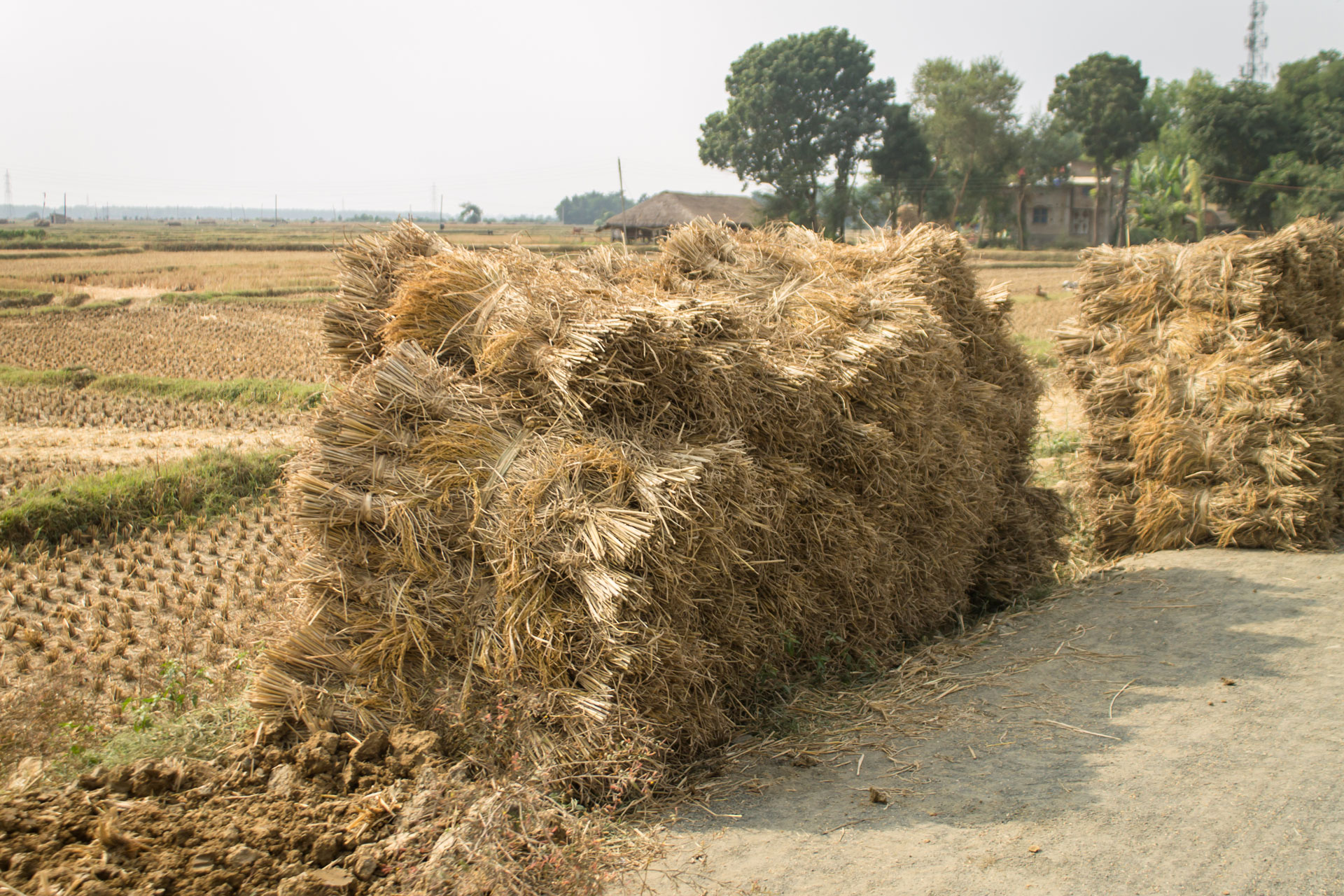
India's agricultural sector, while being the backbone of the nation's economy, generates massive amounts of waste annually. But what if these "waste" materials could become valuable resources? Let's explore how modern biotechnology is revolutionizing the way we think about agricultural residues.
The Growing Mountain of Agricultural Waste in India
Picture this: Every year, Indian farms produce enough crop residue to fill roughly 3 million Olympic-sized swimming pools. The country generates approximately 500-550 million tonnes of agricultural waste annually, with the numbers growing each year as agricultural production intensifies to feed our expanding population.
The challenges this creates are numerous:
- Farmers often resort to burning crop residues, leading to severe air pollution
- Valuable organic matter is lost when waste is not properly utilized
- Improper disposal leads to soil and water contamination
- Storage and handling of massive waste volumes strain rural infrastructure
Understanding Agricultural Waste Types and Quantities
India's agricultural waste landscape is diverse, reflecting its varied farming practices:
Crop Residues
- Rice straw and husk: 112 million tonnes/year
- Wheat straw: 109 million tonnes/year
- Sugarcane bagasse: 350 million tonnes/year
- Corn stover: 52 million tonnes/year
- Cotton stalks: 25 million tonnes/year
Processing Wastes
- Oil seed cakes: 30 million tonnes/year
- Fruit and vegetable waste: 50 million tonnes/year
- Coffee and tea waste: 0.5 million tonnes/year
The Hidden Value - Chemical Composition of Agricultural Wastes
What makes these "wastes" potential goldmines for biotechnology? Their rich chemical composition:
Cereal Straws (Rice/Wheat)
- Cellulose: 35-45%
- Hemicellulose: 20-30%
- Lignin: 15-20%
- Proteins: 3-5%
- Minerals: 5-10%
Sugarcane Bagasse
- Cellulose: 40-50%
- Hemicellulose: 25-35%
- Lignin: 20-25%
- Ash: 2-5%
The Traditional Approach of Agriwaste Utilization
Currently, agricultural wastes are used in several ways:
- Animal feed and bedding
- Organic fertilizers through composting
- Biofuel production through direct burning
- Paper and pulp manufacturing
- Construction materials
While these methods provide some value, they often underutilize the full potential of these materials and can sometimes contribute to environmental problems.
Microbial Fermentation: A Revolutionary Approach
Enter the world of microbial biotechnology. Through fermentation, microorganisms can transform agricultural waste into high-value products. This approach offers several advantages:
- Higher value creation compared to traditional uses
- More environmentally friendly processing
- Production of specialized biochemicals
- Lower energy requirements
- Reduced carbon footprint
The Process
- Pre-treatment of agricultural waste to break down complex structures
- Introduction of specific microorganisms
- Controlled fermentation under optimal conditions
- Extraction and purification of valuable products
Current Technologies in Action
Bioethanol Production
Indian Oil Corporation's 2G ethanol plant in Panipat uses rice straw to produce 100,000 liters of bioethanol daily, demonstrating large-scale implementation of waste valorization.
Enzyme Production
Few biotechnology companies have developed processes to produce industrial enzymes using agricultural residues as substrates, creating high-value products from waste materials.
Bioplastics Manufacturing
Researchers at ICT Mumbai have successfully developed biodegradable plastics using bacteria fed on sugarcane bagasse hydrolysates.
Biofertilizer Generation
The Indian Agricultural Research Institute has pioneered techniques for converting rice straw into enriched biofertilizers through microbial processing.
Looking Ahead
The microbial transformation of agricultural waste represents a significant opportunity for India's bioeconomy. As technology advances and new applications are discovered, what we once considered waste could become a crucial resource for sustainable development.
Note: This blog post synthesizes information from various sources. While efforts have been made to ensure accuracy, readers are encouraged to verify specific figures and technologies through primary sources.
You might also like
