2024-10-20
Choosing the Right Yeast Strain for Ethanol Fermentation
Zymolent Biosciences — 2025-01-12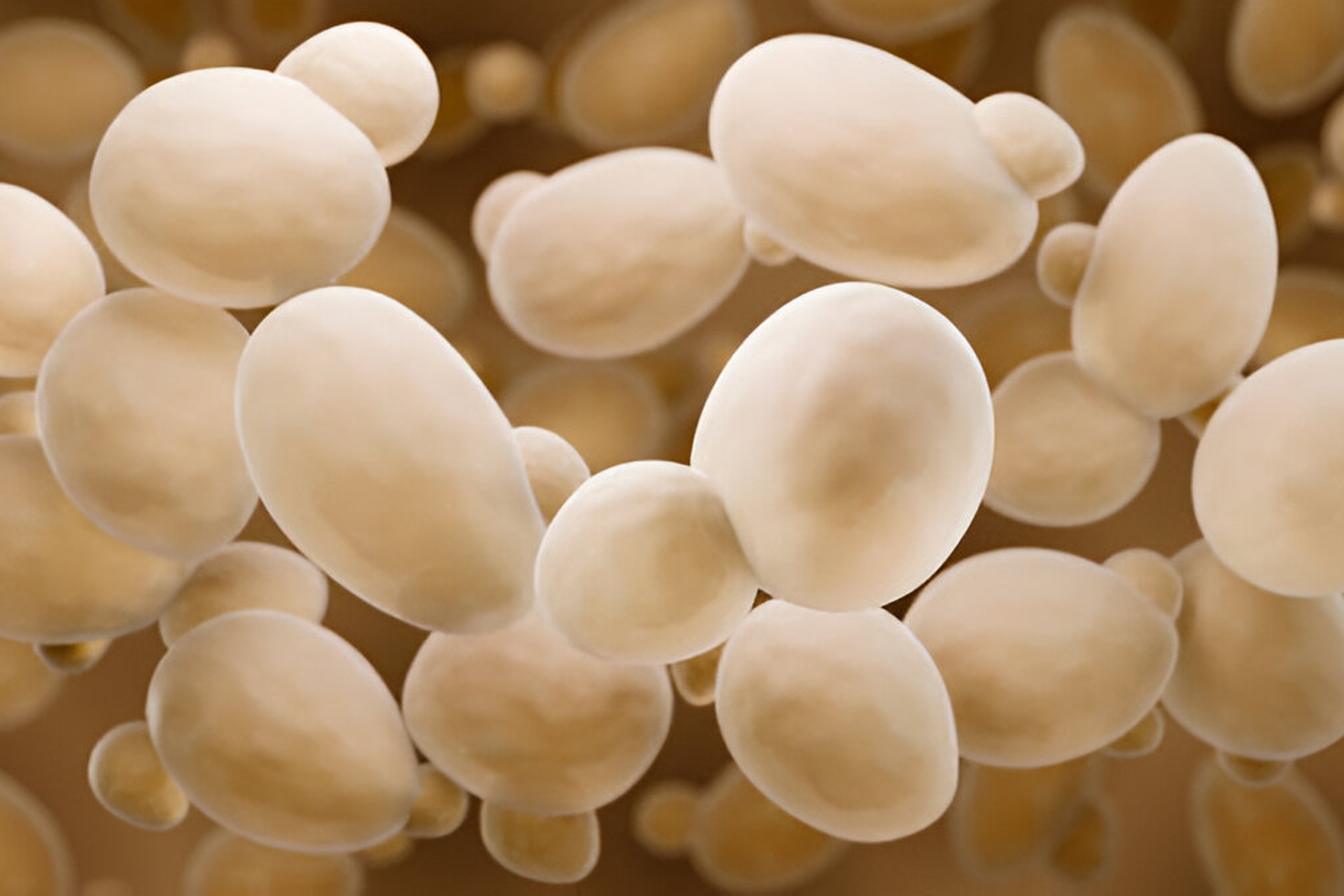
Ethanol production relies on the power of yeast, microorganisms that convert sugars into alcohol through fermentation. But not all yeasts are created equal. Selecting the right yeast strain can make or break the efficiency of an ethanol production process. Industrial ethanol producers must consider multiple factors, including fermentation time, ethanol yield, and the ability to withstand stressors. Understanding these factors is essential to achieving high efficiency and profitability in ethanol production.
A variety of yeast strains are used industrially for ethanol production, with the most common being Saccharomyces cerevisiae. This strain is favored due to its strong fermentation capabilities, high ethanol tolerance, and ability to work well under industrial conditions. However, even within Saccharomyces cerevisiae, there is diversity. Some strains are better suited for high-temperature fermentations, while others excel in handling high concentrations of sugar or dry solids. The right strain depends on the specific requirements of the production facility.
Maximizing Ethanol Yield
What to Expect from a Good Yeast Strain
A good industrial yeast strain is expected to produce high ethanol yields, often reaching up to 16% weight/volume ethanol concentrations. This is critical for maximizing output and ensuring economic efficiency. However, fermentation is not always smooth sailing. Large-scale ethanol production comes with challenges such as contamination, high temperatures, and variations in sugar concentration. If yeast strains are not robust enough, these challenges can lead to stalled fermentations, increased production costs, and lower ethanol yields.
The Role of Dry Solid Fermentation
Dry solid fermentation plays a crucial role in ethanol production. In this process, a higher concentration of solid materials, such as corn mash or other starch-rich feedstocks, is used. This approach maximizes ethanol output per batch and reduces water usage, making the process more sustainable. However, yeast strains used for dry solid fermentation must be capable of handling these high solid concentrations—up to 36% dry solids—to ensure efficient conversion of starch into ethanol.
Temperature and Organic Acid Tolerance
Temperature and organic acid tolerance are key traits of a strong yeast strain. Industrial fermentations often experience temperature fluctuations, sometimes reaching up to 100°F. The yeast strain must be able to withstand these conditions without a drop in ethanol yield. Additionally, fermentation produces organic acids such as lactic acid and acetic acid, which can inhibit yeast growth. A high-performing yeast strain should be able to tolerate up to 0.6 to 0.8% lactic acid and 0.4 to 0.6% acetic acid to ensure uninterrupted fermentation.
Glycerol Production - Lower is better
Another major advantage of top-performing industrial yeast strains is their ability to reduce glycerol production by up to 40% compared to traditional strains. Lower glycerol levels mean more sugar is converted into ethanol, enhancing the overall yield.
Enzymatic Advantages
Additionally, the most efficient yeast strains express specialized enzymes that have superior debranching and starch-degrading activities. This means they break down complex starch molecules more effectively, leading to faster and more complete fermentation. The result is a higher ethanol yield, improved efficiency, and reduced production costs.
The Ultimate Traits of a High-Performing Yeast Strain
The best yeast strains for ethanol production possess several defining characteristics. They increase ethanol yield, excelling in fermentations lasting 55 hours or more while maintaining efficiency even under stress. Some advanced strains can power through fermentation stressors without sacrificing yield, reducing overall fermentation times by up to 20%. This is vital for industrial plants aiming to increase productivity. Furthermore, some yeast strains also reduce the need for external nutrients such as urea and yeast nutritional supplements by up to 90%, significantly lowering operational costs.
Selecting the right yeast strain is crucial for optimizing ethanol fermentation. A high-performing strain ensures maximum ethanol output, withstands industrial stressors, and minimizes production costs. By choosing the right yeast, ethanol producers can achieve greater efficiency, sustainability, and profitability in their operations.
You might also like
